
The density and frequency of open-world events directly influence where players gather and how long zones remain active.
Event placement, rewards, and pacing determine whether an area feels alive or quickly empties after initial completion.
High Event Density Sustains Player Presence
Zones with frequent, staggered events maintain steady populations. Players move naturally between objectives instead of leaving once a single task is finished.
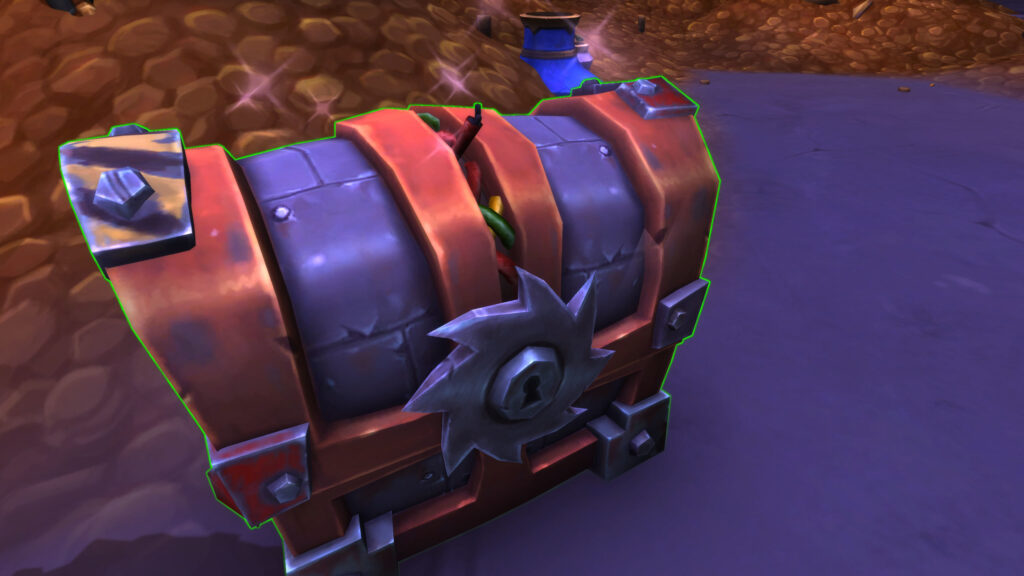
This flow keeps zones populated across longer time windows.
Reward Alignment Directs Traffic
When event rewards align with current progression needs, players prioritize those zones. Even well-designed events struggle to attract participation if rewards fall behind player goals.
Downtime Determines Retention
Long gaps between events cause population drop-off. Players who finish available objectives often relocate to more active zones. Event cadence matters as much as event quality.
| Event Density | Player Behavior | Zone Outcome |
|---|---|---|
| High | Continuous movement | Stable population |
| Moderate | Selective participation | Fluctuating activity |
| Low | Quick completion | Rapid depopulation |
| Uneven | Event clustering | Short-lived spikes |
Resource Consumption and Economic Impact
The type of resources required or provided by events significantly influences high-level player movement. If an event drains common resources (e.g., ammunition, fuel) without replacing them with highly valued, specialized loot, players will quickly abandon the area to resupply elsewhere.
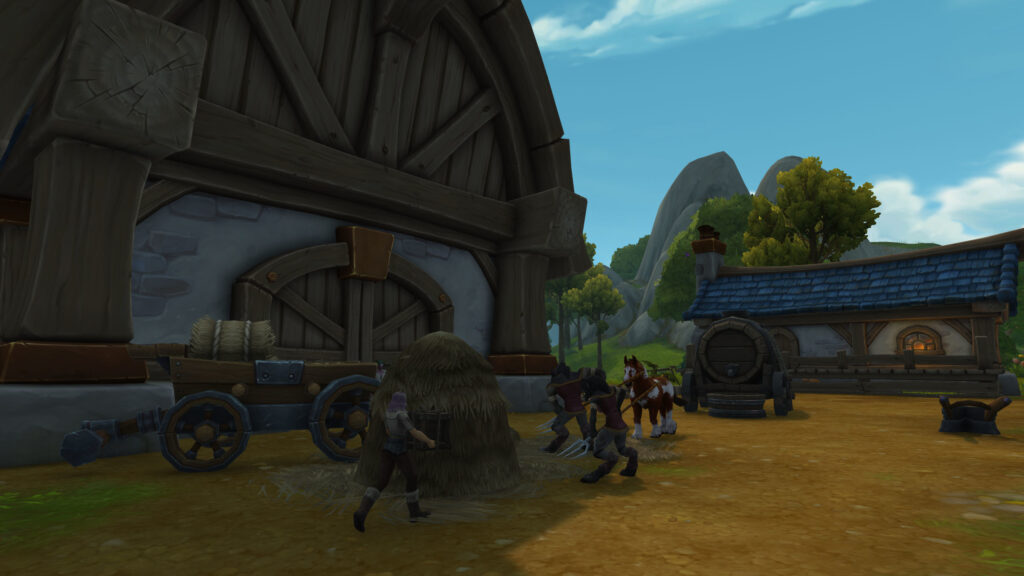
Conversely, zones that reliably refresh or grant high-tier resources (rare crafting materials, unique currency) act as powerful magnets, maintaining high density even during brief downtimes. Effective event design must balance the resource cost of participation against the desirability of the rewards to ensure long-term zone viability.
Time-of-Day and Global Pacing Effects
Global game pacing, often dictated by server time or an internal clock, interacts heavily with event density. During peak hours, even moderate event density can feel sufficient because there are more players organically moving through the area.
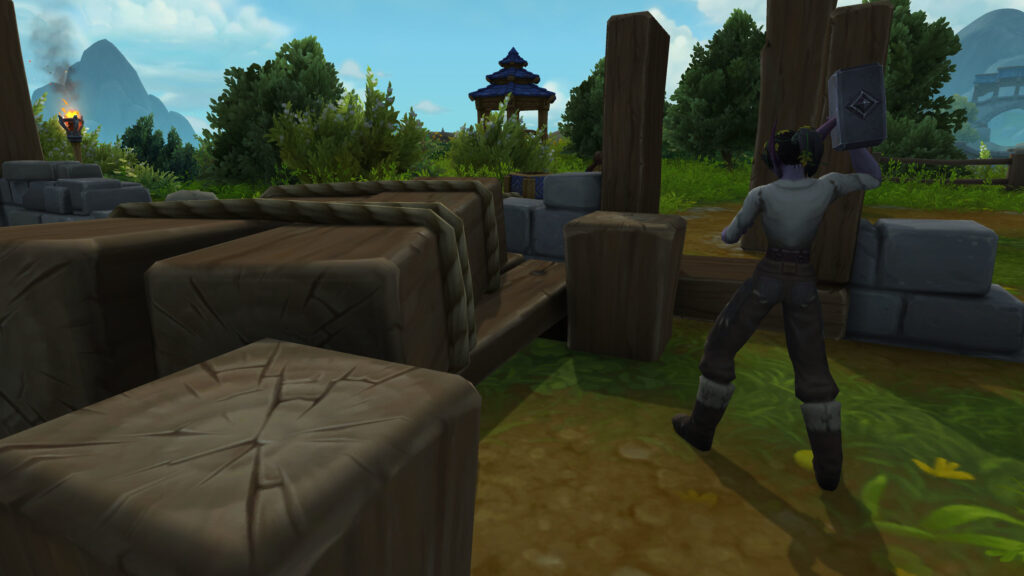
However, during off-peak hours (low concurrent player count), a higher frequency or intensity of localized events is necessary to prevent zones from feeling empty. Designers must adjust event density dynamically to compensate for these global population fluctuations, ensuring a consistent experience regardless of the player’s local time of access.
Population Patterns Affect Social Interaction
Consistent populations encourage spontaneous grouping and repeated encounters with familiar players. Sparse zones feel isolated, reducing cooperation and social momentum.
Conclusion
Open-world event density shapes zone population patterns by controlling player flow, retention, and social interaction.
Balanced cadence and meaningful rewards turn zones into active hubs rather than temporary stops.



Leave a Reply